
Treatment of AUD focuses on relieving symptoms of alcohol withdrawal in the short term and then suppressing alcohol cravings in the long term. Another complication is alcohol withdrawal syndrome, which may occur after you stop drinking and can cause symptoms such as nausea, shaking, and sweating. It can also lead to serious symptoms like seizures, fever, or hallucinations, and can be a medical emergency. The limits are different for women and men because of known differences in how alcohol is absorbed, distributed and eliminated from the body. Turning to alcohol to cope with daily stress can be an early warning sign of addiction.
Detox Services
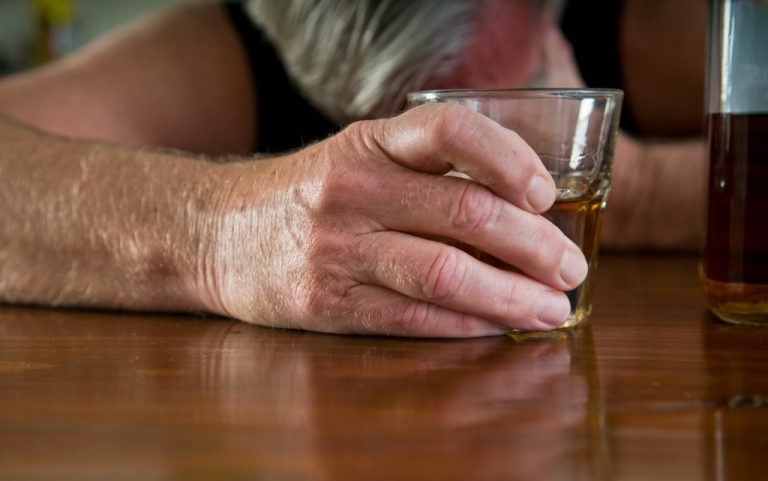
Others may rely on alcohol to cope with stressful situations, or use it habitually after getting home from work each day. Our highly credentialed staff members offer a full range of progressive treatment options based on each patient’s individual needs, including teletherapy. We’re ready to help your loved one begin the journey to recovery — contact us to learn more about personalized, comprehensive treatment plans.
- Personality changes can be especially harmful to others if a person with AUD becomes aggressive and violent while drinking.
- Our licensed professionals evaluate each patient carefully to provide the right level of care.
- Some people will go through periods where they remain sober, but then relapse.
- Signs of an alcoholic include becoming defensive or hostile when questioned about drinking habits.
Who is at risk for alcohol use disorder?
- They may hide how much they drink, normalize it with a laugh and a wine-mom joke, or tell themselves it’s just a rough patch they’ll get out of soon.
- The primary symptoms of stage three include high tolerance to alcohol, physical symptoms, and more obvious drinking behaviors.
- No, moderate drinking doesn’t produce the same physical effects as alcoholism.
This means they may require more and more alcohol to achieve the desired effect as they continue drinking. This is why addiction can develop, as people may drink more to chase those initial pleasurable feelings and avoid withdrawal discomfort. Over time, it adjusts its sensitivity to alcohol, so the same amount has less effect. So, you might need to drink more to achieve the same feelings you used to get with less alcohol.
Drinking Despite Consequences
If you suspect that you or someone you know may be struggling with alcoholism, it is advisable to consult with a healthcare professional or addiction specialist. They can provide the guidance and support needed to navigate the path to recovery. Interestingly, not all individuals progress to late-stage addiction at the same pace. Functional alcoholics, for example, may maintain steady jobs and relationships for years despite being dependent on alcohol. This can make it harder to Sober living house identify the problem early and delay seeking help. Functional alcoholics often excel in their careers and social lives, masking the severity of their condition.
Psychological Signs of Alcoholism
Regularly consuming 21 or more drinks per week for four years or longer significantly increases the risk of permanent memory damage. Older adults are especially vulnerable, as their brains are more sensitive to alcohol’s effects. Withdrawal signs of alcoholism symptoms during the middle stage of alcoholism commonly involve anxiety, confusion, tremors, increased heart rate, nausea, vomiting, and insomnia. These signs reflect a significant reliance on alcohol and may require professional intervention. Detoxification is often the first step in the treatment process for alcoholism. Medically monitored detox programs offer a safe and supportive environment for beginning sobriety.
